
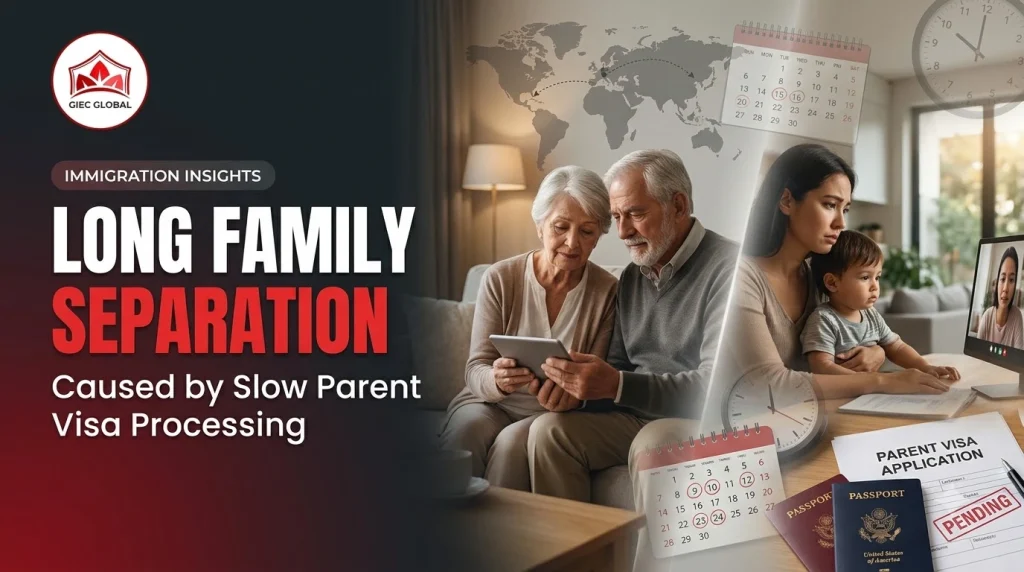
For many Australian families, living apart from parents is one of the most difficult parts of migration. Adult children may settle in Australia for work, education or permanent residency, while their parents continue to live overseas. Although families hope to reunite as soon as possible, long parent visa processing times can make this difficult.
The Australian government provides several visa options for parents of eligible Australian citizens, permanent residents and eligible New Zealand citizens. However, the right option depends on the family’s circumstances, eligibility, financial position and long-term plans.
For families researching a parents visa Australia option, understanding the available visa pathways and their processing requirements is an important first step. Planning ahead can help families make informed decisions while avoiding unrealistic expectations about when they may be able to live together.
Why Are Australian Families Facing Long Separation?
Parent visa applications can take many years because demand is significantly higher than the number of permanent visa places available. The Australian Department of Home Affairs uses capping and queueing arrangements for several parent visa subclasses.
Under this system, applications are assessed against the relevant eligibility criteria. Eligible applications may then be placed in a queue until a visa place becomes available. Reaching the queue does not mean that a visa will be granted immediately.
As a result, families may spend years waiting for a decision. During this period, parents and children can miss birthdays, family celebrations, important milestones and opportunities to provide practical support to one another.
The distance can be particularly difficult when parents are ageing or when adult children have young children of their own. Grandparents may want to help care for grandchildren, while parents in Australia may wish to support their own parents as they grow older.
According to the Department of Home Affairs, parent visa processing is affected by the number of applications received, the number of available places and individual case circumstances. The department does not provide an exact processing timeframe for each parent visa applicant.
Understanding Parent Visa Australia Processing Times
One of the biggest challenges for families is understanding the difference between an application acknowledgement, a queue assessment and a final visa decision.
An acknowledgement confirms that the department has received an application. A queue assessment determines whether an eligible application can be placed in the queue. Final processing takes place later when a place becomes available and the application is released for further assessment.
These stages should not be confused. Receiving an acknowledgement does not mean the visa will be granted soon.
The official parent visa queue information, updated on 31 August 2026, estimated the following processing timeframes for new applications:
- Contributory Parent visas: approximately 18 years.
- Parent and Aged Parent visas: approximately 42 years.
These are estimates, not guaranteed waiting periods for individual applicants. Actual outcomes can vary, and applicants should check the latest information on the official Department of Home Affairs website before making decisions.
For families considering an Australia family visa, these lengthy timeframes make it important to assess both permanent and temporary options. The most suitable pathway will depend on eligibility, costs, family circumstances and the purpose of the proposed stay.
What Parent Visa Options Are Available in Australia?
Australia has several visa pathways that may help eligible parents reunite with their children. Each option has different requirements, costs, conditions and expected processing arrangements.
1. Parent Visa (Subclass 103)
The Parent visa subclass 103 is a permanent visa pathway for eligible parents of settled Australian citizens, Australian permanent residents or eligible New Zealand citizens.
It may suit families who want a permanent solution and can accommodate a potentially very long waiting period. However, the visa is subject to capping and queueing, so it is not generally a quick route to family reunification.
Applicants must meet the relevant requirements, including the balance of family test where applicable, health requirements and character requirements.
2. Contributory Parent Visa (Subclass 143)
The Contributory Parent visa subclass 143 is another permanent option for eligible parents.
This pathway involves substantially higher visa charges than the non-contributory Parent visa category. Although contributory parent visas have different queue arrangements, they can still involve lengthy waiting periods.
Families should compare the total costs, eligibility rules and current processing estimates before choosing this route. Paying higher visa charges does not guarantee immediate approval.
3. Contributory Parent (Temporary) Visa (Subclass 173)
The subclass 173 visa is a temporary parent visa pathway that may allow eligible parents to stay in Australia temporarily. Eligible holders may later consider applying for the permanent subclass 143 visa, subject to the relevant requirements.
This option may be worth exploring for families who want to understand a staged approach to parent migration. However, it is important to assess the costs of both stages and the conditions that apply.
4. Aged Parent Visa (Subclass 804)
The Aged Parent visa subclass 804 is a permanent visa pathway for eligible aged parents who meet the applicable requirements.
The term “aged parent” has a specific meaning under Australian migration law. Meeting the relevant age and other criteria must be assessed before assuming this visa is available.
This visa is also subject to capping and queueing, and the waiting period can be very long.
5. Contributory Aged Parent Visa (Subclass 864)
The Contributory Aged Parent visa subclass 864 is a permanent pathway for eligible aged parents of settled Australian citizens, permanent residents or eligible New Zealand citizens.
It has different costs and queue arrangements from the non-contributory aged parent pathway. Applicants should confirm the current eligibility requirements and applicable charges before lodging an application.
6. Sponsored Parent (Temporary) Visa (Subclass 870)
For families who want temporary reunification rather than immediate permanent migration, the Sponsored Parent (Temporary) visa subclass 870 may be worth considering.
This visa can allow eligible parents to visit Australia for a period of up to three or five years at a time, subject to the visa conditions. The maximum cumulative stay is generally ten years, and this visa does not itself provide permanent residency.
Unlike the permanent Parent visa subclasses, the subclass 870 is not subject to the same parent visa capping and queueing arrangements. However, it has its own sponsorship, eligibility and application requirements.
Families should consider whether a temporary stay meets their needs and whether they can satisfy the applicable requirements.
The Emotional Impact of Long Family Separation
Long visa waiting periods affect more than travel plans. They can change how families organise their lives and support one another.
Missing important family moments
Parents living overseas may be unable to attend a child’s wedding, celebrate a grandchild’s birth or be present during significant family events. Although video calls help families stay connected, they cannot fully replace spending time together in person.
Challenges for working parents
Many migrants in Australia work full-time while raising children. They may want their parents nearby for emotional support, family connection and occasional practical help. When parents cannot move to Australia, families must make alternative arrangements.
Any childcare or other support must, of course, comply with the conditions of the parent’s visa and the family’s circumstances.
Concerns about ageing parents
Adult children may worry about their parents’ health, independence and access to family support while living overseas. Long separation can create stress, particularly when parents need more assistance as they grow older.
Financial pressure
Maintaining two households in different countries can be expensive. Families may pay for international travel, temporary accommodation, insurance and other expenses while waiting for a suitable visa pathway.
These challenges make it important to create a realistic plan rather than relying on a single expected decision date.
What Can Families Do While Waiting for a Parent Visa?
Although families cannot control the number of visa places available, they can take practical steps to prepare.
1. Check the current queue information
Use the Department of Home Affairs website to review the latest queue release dates and processing estimates for the relevant visa subclass. Avoid relying on old articles, online discussions or estimates that do not identify their publication date.
2. Keep application details updated
Applicants should keep their contact details and other required information current. They should also follow official instructions about notifying the department of changes in circumstances.
For eligible applications, ImmiAccount or the relevant official service may be used to view correspondence, update information or submit requested documents.
3. Prepare supporting documents carefully
Depending on the visa subclass and individual circumstances, supporting evidence may include identity documents, birth certificates, evidence of the parent-child relationship, sponsorship documents and other requested records.
Some applications also require evidence relating to the balance of family test, health, character or financial support. Applicants should follow the checklist for their specific visa rather than relying on a generic document list.
4. Consider temporary travel options
Eligible parents may be able to visit Australia using an appropriate visitor visa or another suitable temporary visa. A visitor visa is not a substitute for permanent parent migration and does not guarantee repeated entry or an extended stay.
Families should check the visa conditions, including any restrictions on further applications, and make sure the proposed travel arrangements are consistent with those conditions.
5. Review the family’s long-term plans
Consider where the parents will live, how their expenses will be covered and whether the family can accommodate the costs associated with the selected visa. Families should also plan for the possibility that a permanent visa decision may take considerably longer than expected.
6. Seek advice where the situation is complex
A registered migration agent or Australian legal practitioner can help explain the available pathways, identify potential eligibility issues and clarify application requirements. Professional advice is particularly useful when family circumstances are complicated or when applicants are unsure which visa category applies.
Important Eligibility Considerations for an Australia Family Visa
Not every family is eligible for every parent visa. Before lodging an application, it is important to review the requirements for the specific subclass.
Sponsorship requirements
A parent visa generally requires an eligible child who meets the applicable sponsorship and settlement requirements. The exact rules vary by visa type.
Balance of family test
Several permanent parent visa subclasses require applicants to pass the balance of family test. Broadly, the test considers whether at least half of the applicant’s eligible children live in Australia as eligible children, or whether more of their eligible children live in Australia than in any other single country.
This test has specific legal definitions and is not waived simply because a family is experiencing hardship.
Health and character requirements
Applicants may need to satisfy health and character requirements. The documents and checks required depend on the application and the department’s instructions.
Financial considerations
Families should compare visa application charges and other potential expenses. These may include medical examinations, police certificates, translations and professional fees where applicable.
An appropriate choice should reflect the family’s eligibility and circumstances, not just the desire to obtain a visa as quickly as possible.
Choosing the Right Family Visa for Australia
There is no single solution for every family experiencing separation. Some families may prioritise permanent migration, while others may need a temporary visit to maintain family connections.
A non-contributory Parent visa may have lower visa charges but an exceptionally long estimated waiting period. A contributory option involves higher costs and can still require years of waiting. A Sponsored Parent (Temporary) visa may offer a different way to spend time together, but it does not provide permanent residency.
The best starting point is to compare the current requirements, costs and conditions of the available pathways. Families should also consider whether the parent meets the relevant age, sponsorship and other eligibility criteria.
For anyone researching a family visa for Australia, accurate information is essential. Decisions should be based on current government guidance rather than promises of guaranteed approval or unusually fast processing.
Conclusion
Long parent visa processing times can keep Australian families apart for years. The combination of high demand, limited visa places and individual eligibility requirements means that families need realistic expectations and careful planning.
Understanding the available parent visa subclasses can help families identify a suitable pathway. Keeping documents organised, monitoring official updates and reviewing temporary travel options may also help families manage the waiting period.
If you are researching a family visa Australia option, start with the official Department of Home Affairs guidance for the relevant subclass. Where eligibility or family circumstances are complex, consider obtaining advice from a registered migration agent or Australian legal practitioner before making a decision.
Official source: Australian Department of Home Affairs — Parent visa queue release dates and processing times: https://immi.homeaffairs.gov.au/visas/getting-a-visa/visa-processing-times/visa-processing-priorities/parent-visas
Frequently asked questions
Why are Australian parent visas taking so long to process?
Australian parent visas can take many years because demand exceeds the number of available visa places. The Department of Home Affairs uses capping and queueing arrangements for relevant visa subclasses.
What is the current processing time for a Parent visa in Australia?
Processing times vary by visa subclass. Check the latest official Department of Home Affairs queue estimates because waiting periods can change and are not guaranteed.
Which parents visa Australia options are available?
Options include the Parent visa (subclass 103), Contributory Parent visa (subclass 143), Contributory Parent (Temporary) visa (subclass 173), Aged Parent visa (subclass 804), Contributory Aged Parent visa (subclass 864) and Sponsored Parent (Temporary) visa (subclass 870).
Can parents visit Australia while waiting for a permanent parent visa?
Eligible parents may be able to apply for a visitor visa or another suitable temporary visa. Approval is not guaranteed, and visa conditions must be followed.
What is the difference between a contributory and non-contributory parent visa?
Contributory parent visas generally have higher visa charges and different queue arrangements. Non-contributory parent visas usually have lower visa charges but substantially longer waiting periods.
Is the balance of family test required for an Australia family visa?
The balance of family test applies to several permanent parent visa subclasses. Broadly, applicants must have at least half of their eligible children in Australia or more eligible children in Australia than in any other single country.
Can a parent visa application be prioritised because of family hardship?
Priority processing is limited to specific circumstances. Family separation alone does not guarantee priority processing, and requests are assessed under the applicable government arrangements.
Can parents obtain permanent residency through the Sponsored Parent (Temporary) visa subclass 870?
No. The subclass 870 is a temporary visa and does not itself provide permanent residency. Parents seeking permanent migration must meet the requirements of a separate eligible visa pathway.
What documents are required for a family visa for Australia?
Requirements depend on the visa subclass and individual circumstances. Documents may include passports, birth certificates, relationship evidence, sponsorship records and requested health, character or financial documents.
Where can families check Australian parent visa processing updates?
Families can check the official Department of Home Affairs website for current queue release dates, estimated processing times, eligibility requirements and application instructions.
Can a migration agent guarantee faster parent visa approval?
No migration agent can guarantee visa approval or a specific processing timeframe. A registered migration agent can explain visa options, assess eligibility and help prepare an application.
What should families do if their parent visa is delayed?
Families should check official queue updates, review application correspondence, keep contact details current and respond to departmental requests within the required timeframe. They may seek professional advice if needed.